Originally published July 7, 2017. This article preserves One Sixth Society’s original reporting and images; product availability, pricing, and opinions reflect the original publication period.
A growing collection can run out of shelf space long before the collector runs out of figures to buy. We spoke with Budget Stark in 2017 about how collectors and shops in Hong Kong make room for the hobby.
The History of the Issue
Budget Stark described the pressure that small homes and high rents put on local collectors. Display furniture has to share limited room with everyday living space.

In that conversation, Budget Stark said large statues were difficult for many local collectors to accommodate. A figure’s base and full height can rule it out even when there is room for smaller pieces.
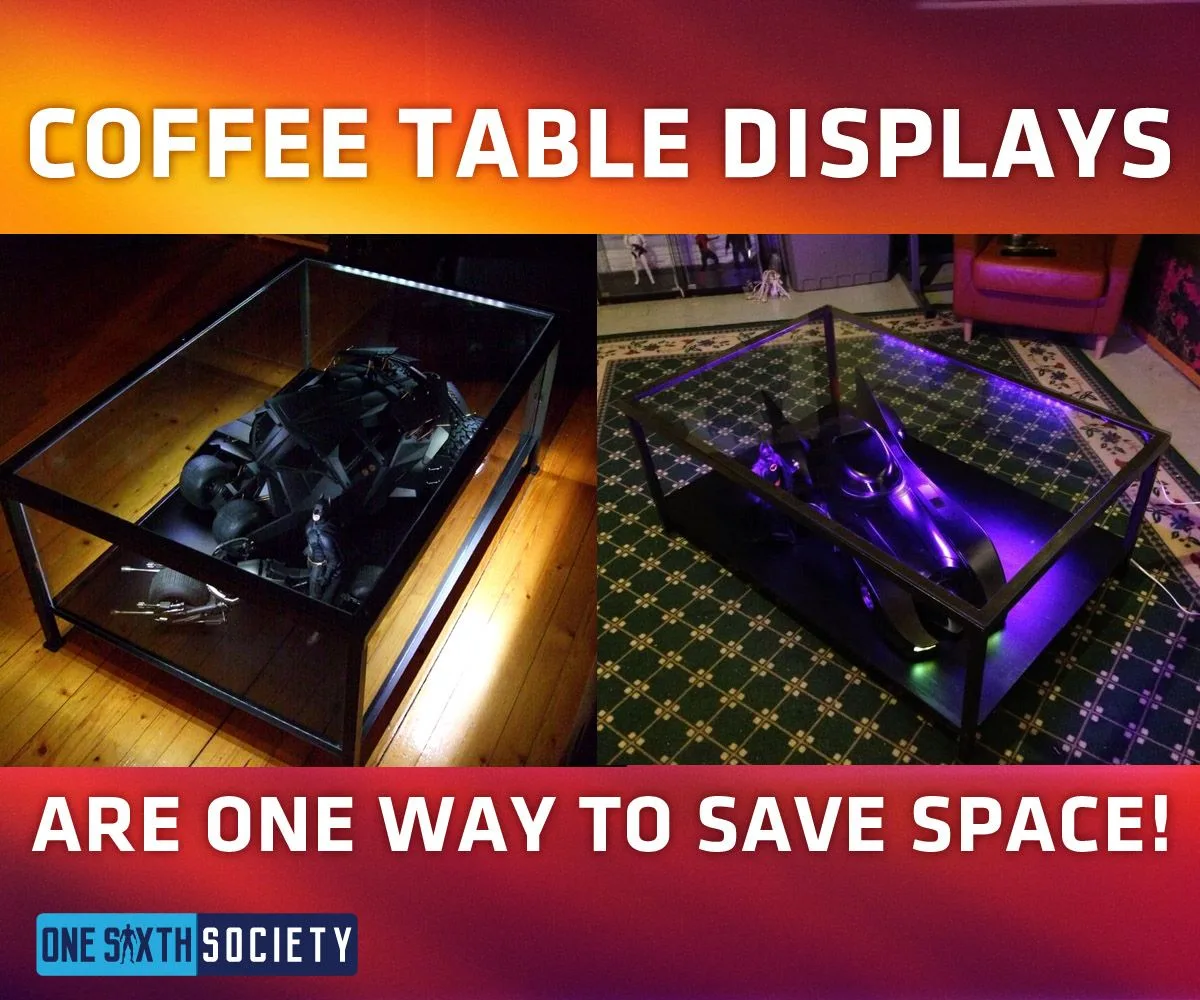
For collectors of sixth-scale figures, space is also an issue. In videos that I have seen online of collections, a lot of Hong Kong-based collectors have shelving incorporated into furniture. This allows both functionality and display that is necessary to deal with the smaller spaces. Larger pieces like The Hot Toys Batmobile are built into coffee tables.
What this means for Collectible Sales
Shops face the same problem on a commercial scale: they need to show enough stock to attract collectors while leaving room for customers to move around.
Budget Stark said in 2017 that some shop owners paid thousands in rent for spaces of roughly 100 to 150 square feet. His account helps explain why local stores packed so much stock into their displays.

Shelving built into furniture and carefully chosen display sizes let collectors keep enjoying the hobby in a small home. If you collect in Hong Kong, how have you made room for your figures?
Measure the Display, Not Just the Figure
Start with the space that is actually usable behind the closed door. Shelves, hinges and light fittings can reduce the room available, and a deep base can become the deciding measurement before the figure’s height matters. A vehicle displayed inside a coffee table also needs access for cleaning and removal; fitting it through the opening is a separate question from fitting it inside.
For a group of figures, mark out their bases and longest accessories on a sheet of paper before rearranging the cabinet. That makes it easier to see whether a wide stance or extended weapon blocks the figure beside it. The stored accessories and empty boxes need their own plan, particularly when the living area is already doing several jobs.
Budget Stark’s observations were about particular collectors and shops in 2017. They are not a current rent survey for Hong Kong. The lasting collecting problem is the one his examples make clear: a purchase can fit the budget and still have nowhere sensible to go. Choosing a display location before ordering is more useful than relying on the scale label alone.
Keeping track of a collection in a small room
When only part of a collection can be out at once, storage needs an order of its own. Label each accessory bag with the character and release, and keep a photograph of the tray before packing it away. That makes it easier to find the right hands, stand and costume parts when a figure comes back out. Similar-looking pieces from different releases are much harder to sort after they have been mixed together.
Keep a short list of what is on display and what is boxed. It helps prevent buying a duplicate accessory simply because the original is buried behind another stack of packaging.