Watch the Ethan Hunt video with viewing notes
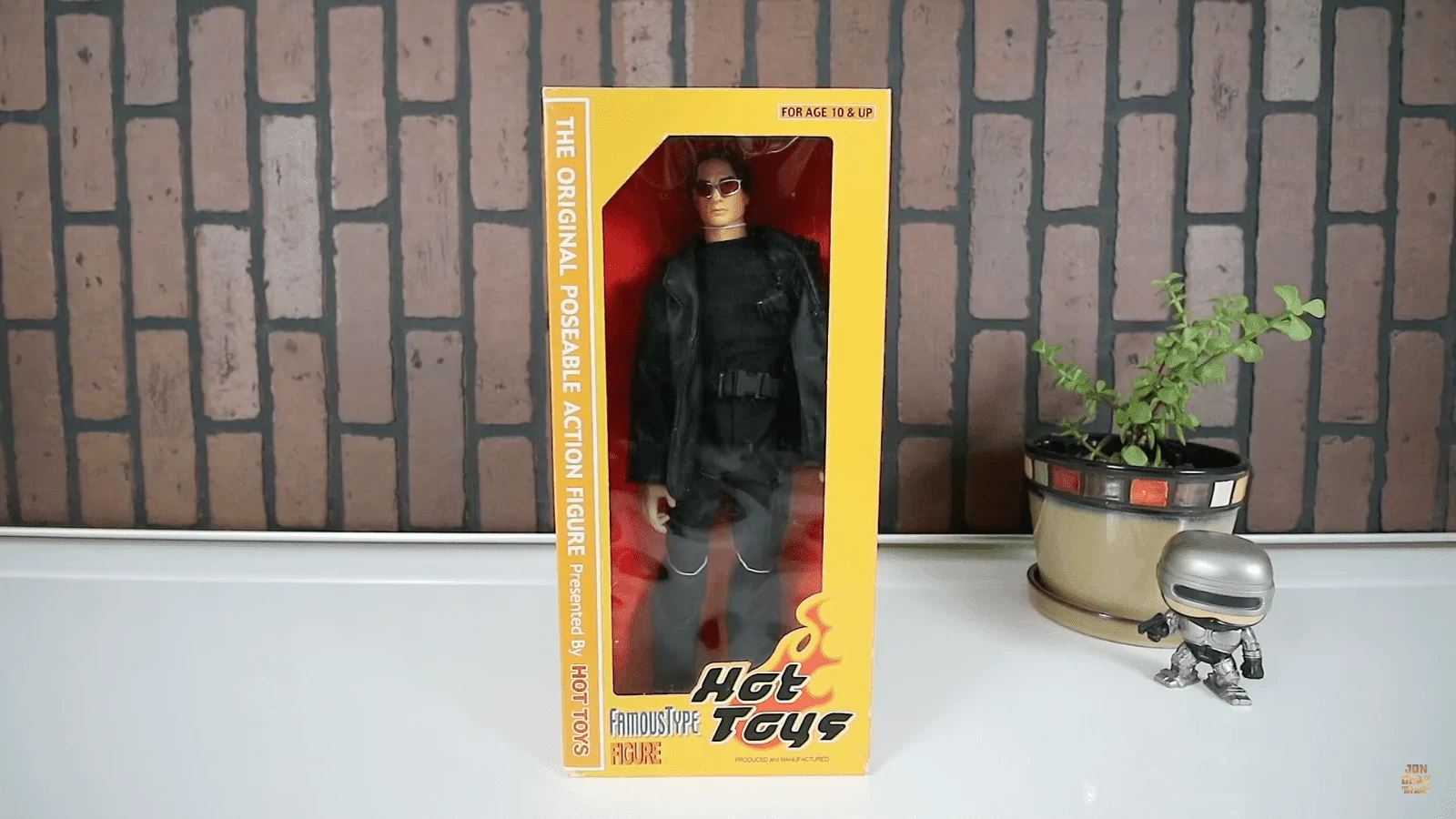
Hot Toys’ first figure is harder to identify than the familiar Ethan Hunt story suggests. The early Famous Type releases included figures resembling Ethan Hunt, Neo and George Lucas, and their precise release order remains disputed. The Ethan Hunt figure shown here is an early company-branded example inspired by Mission: Impossible II, with packaging and construction that reveal how different the brand’s beginnings were.
Where Ethan Hunt fits in Hot Toys history
The Hong Kong Brand Toy Association’s company profile dates Hot Toys’ founding to 2000. The early unlicensed Famous Type figures preceded the licensed movie collectibles for which the company became widely known.
Collectors have described different sequences for those earliest figures. In his examination of surviving Famous Type boxes, collector Nick Jones documents variations in packaging and explains why the evidence does not settle which figure came first. Ethan Hunt belongs in that early history, but a definite first-place claim goes further than the available evidence supports.
The Famous Type body and articulation
The Ethan Hunt example examined for this article uses a body that predates the familiar TrueType design. Its firm joints and range of movement are closer to other twelve-inch figures of the period than to later Hot Toys bodies.
The hands are particularly distinctive: thin wires inside rubber let the fingers bend, instead of relying on a selection of interchangeable rigid hands. The boots allow some turning and a limited change of angle, but they do not use the familiar ball-jointed foot construction.
Head sculpt, clothing and accessories
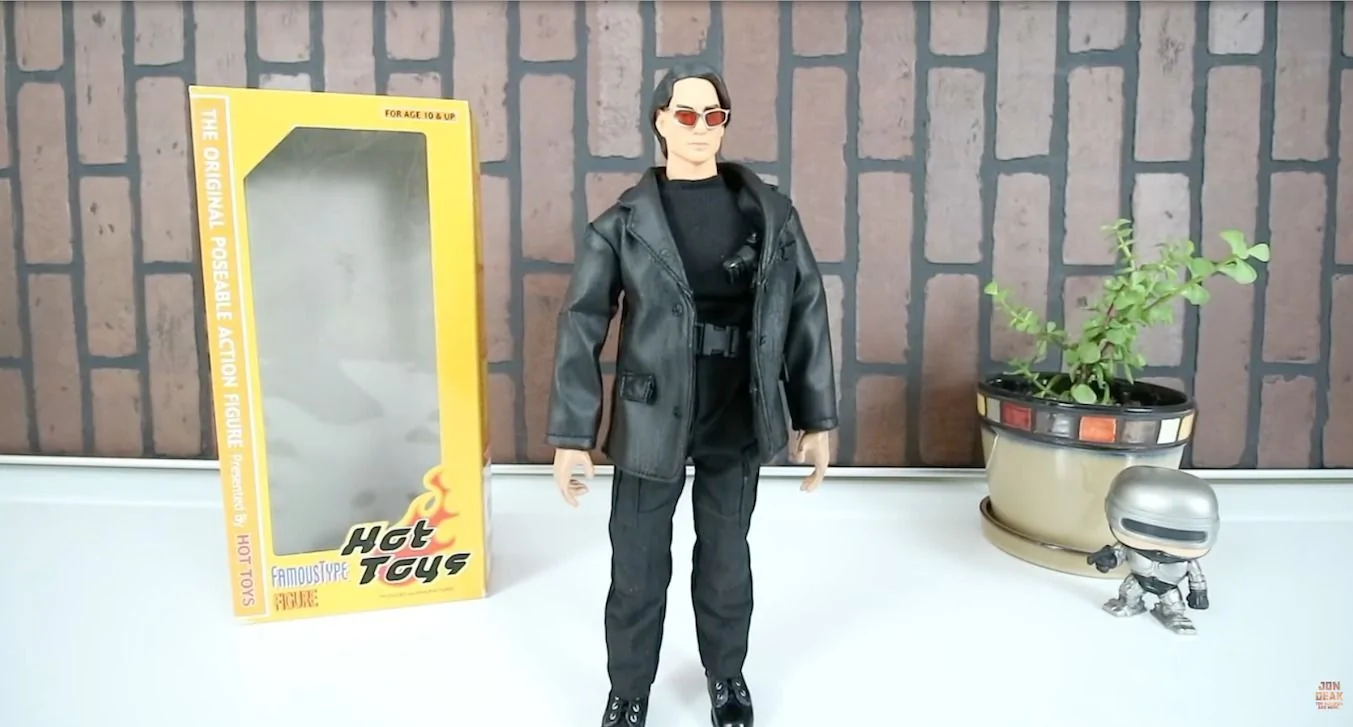
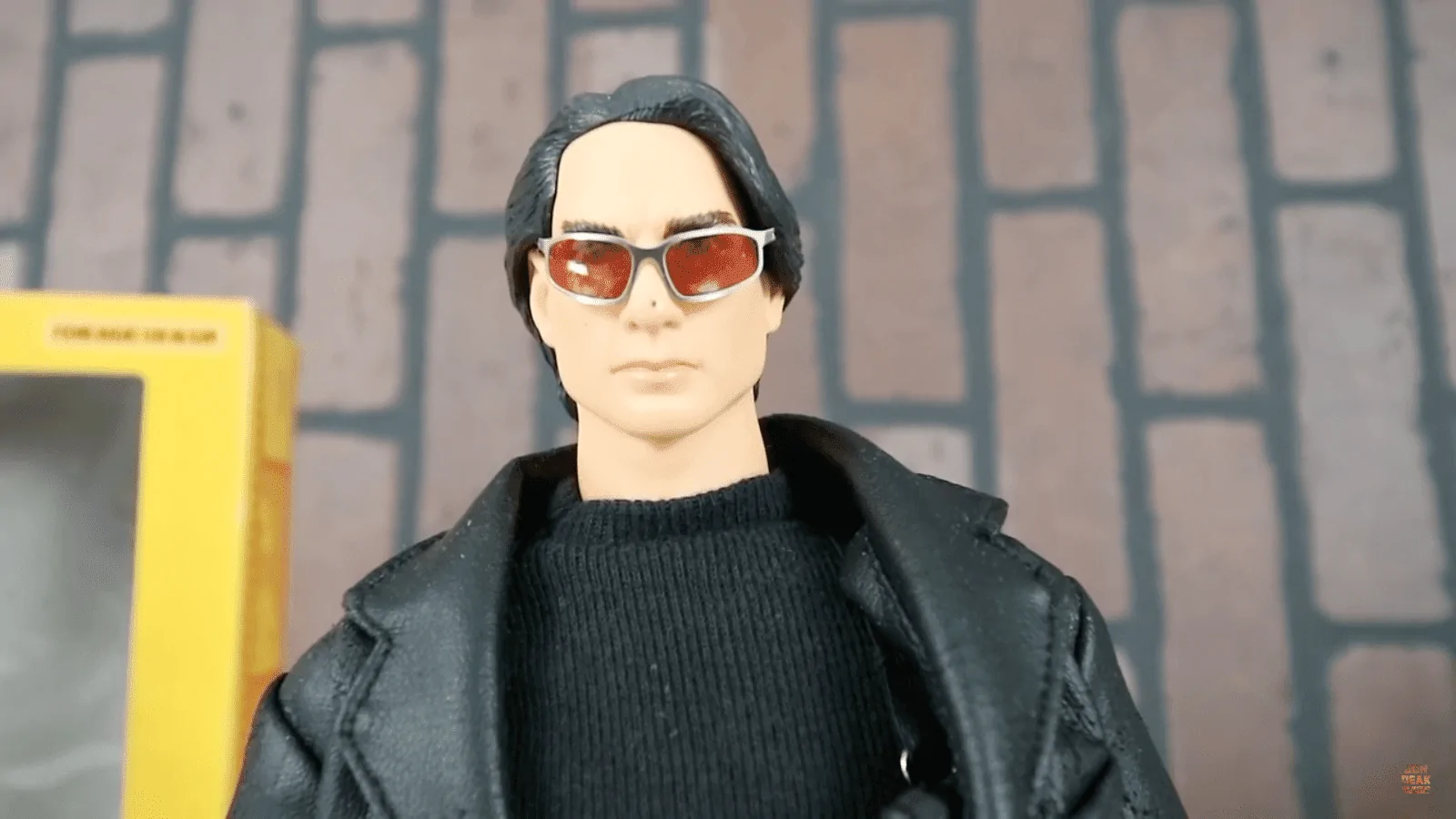
Fixed sunglasses and swept-back hair establish the Tom Cruise-inspired likeness. The paint on the examined head sculpt was clean, although the overall sculpting is simpler than the lifelike portraits associated with later releases.
The black T-shirt, synthetic leather outfit and shoulder holster recreate the film look. A metal pistol completes the small accessory selection.
Condition matters when handling a surviving example. The outfits examined for the article had aged differently: Jon’s showed wear, while the other example had retained its finish more successfully. Inspect the actual garment and rubber hands before posing; photographs of another collector’s figure cannot establish the condition of yours.
Why the original packaging matters
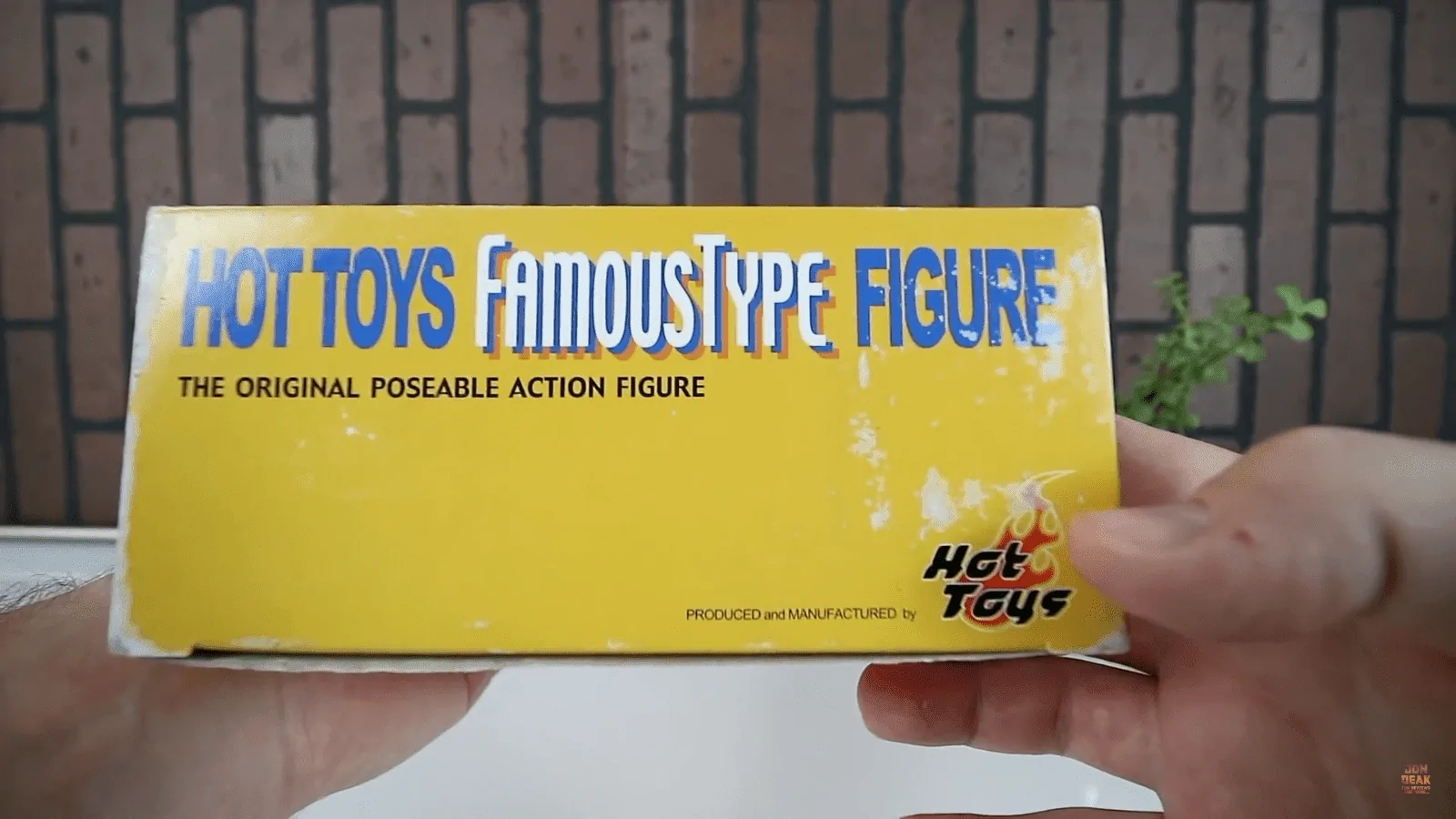
The yellow box places the Hot Toys name and Famous Type branding prominently around the figure. These details help document a particular release and distinguish it from other early packaging variations. They are useful historical evidence, even though a box design alone does not establish the complete release chronology.
This figure’s appeal is its place in the development of sixth scale collecting. It shows the distance between straightforward bodies and limited accessories and the detailed tailoring, likenesses and licensed characters that followed. Explore our Hot Toys coverage, profile of founder Howard Chan and rare Hot Toys guide for more context.
The early Famous Type Neo-inspired figure is a separate release from the licensed Neo MMS868 based on The Matrix Reloaded.