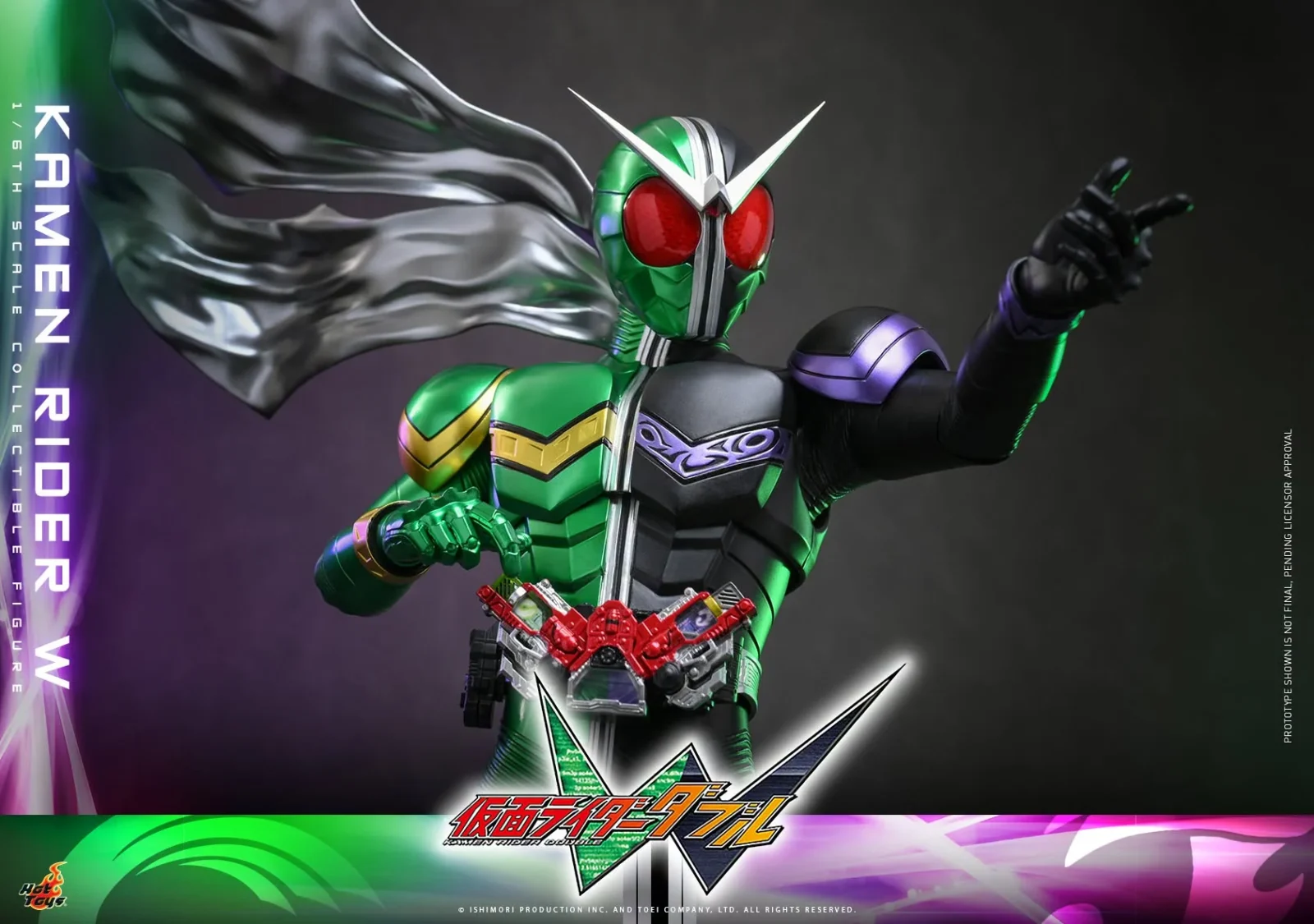
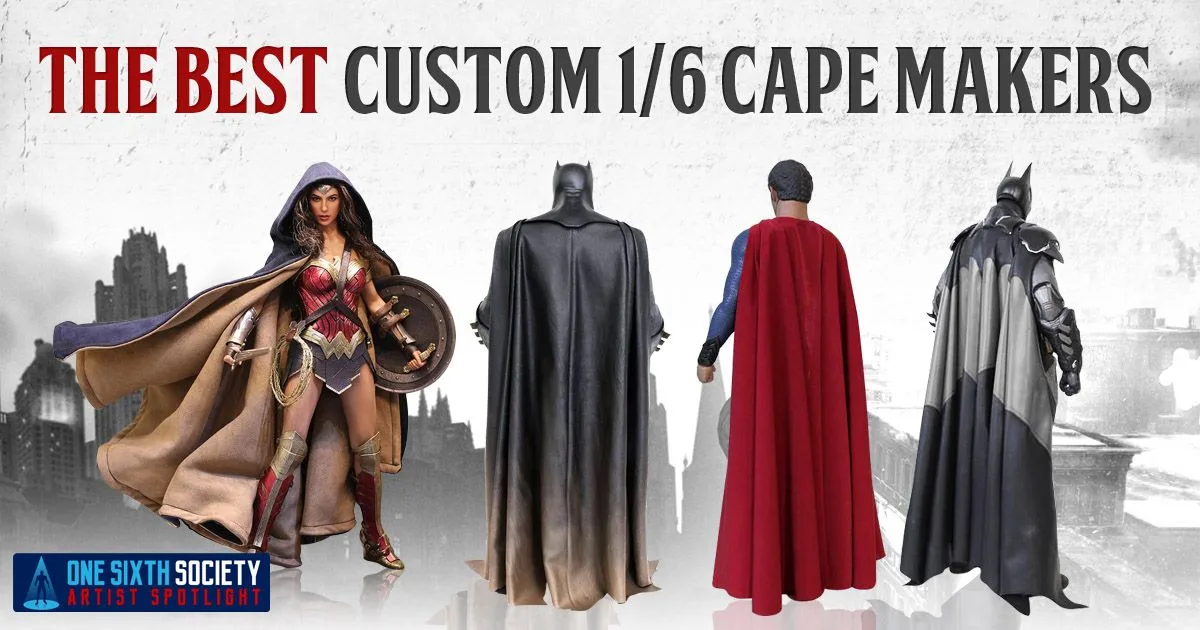
A cape changes the shape of a sixth-scale figure. Fabric that is too thick can bunch at the shoulders; the right cut lets it hang naturally. Custom makers adjust the pattern, material and sometimes wire to suit the character and pose.
Our original spotlight featured Tony and Crystal Mei, also known as Mei Kai, and Lucky Tjandra of Unreal Customs. Their Batman, Superman and Wonder Woman capes show how the fabric, cut and wire affect a finished figure.
Tony and Crystal Mei: tailoring the cape to the figure
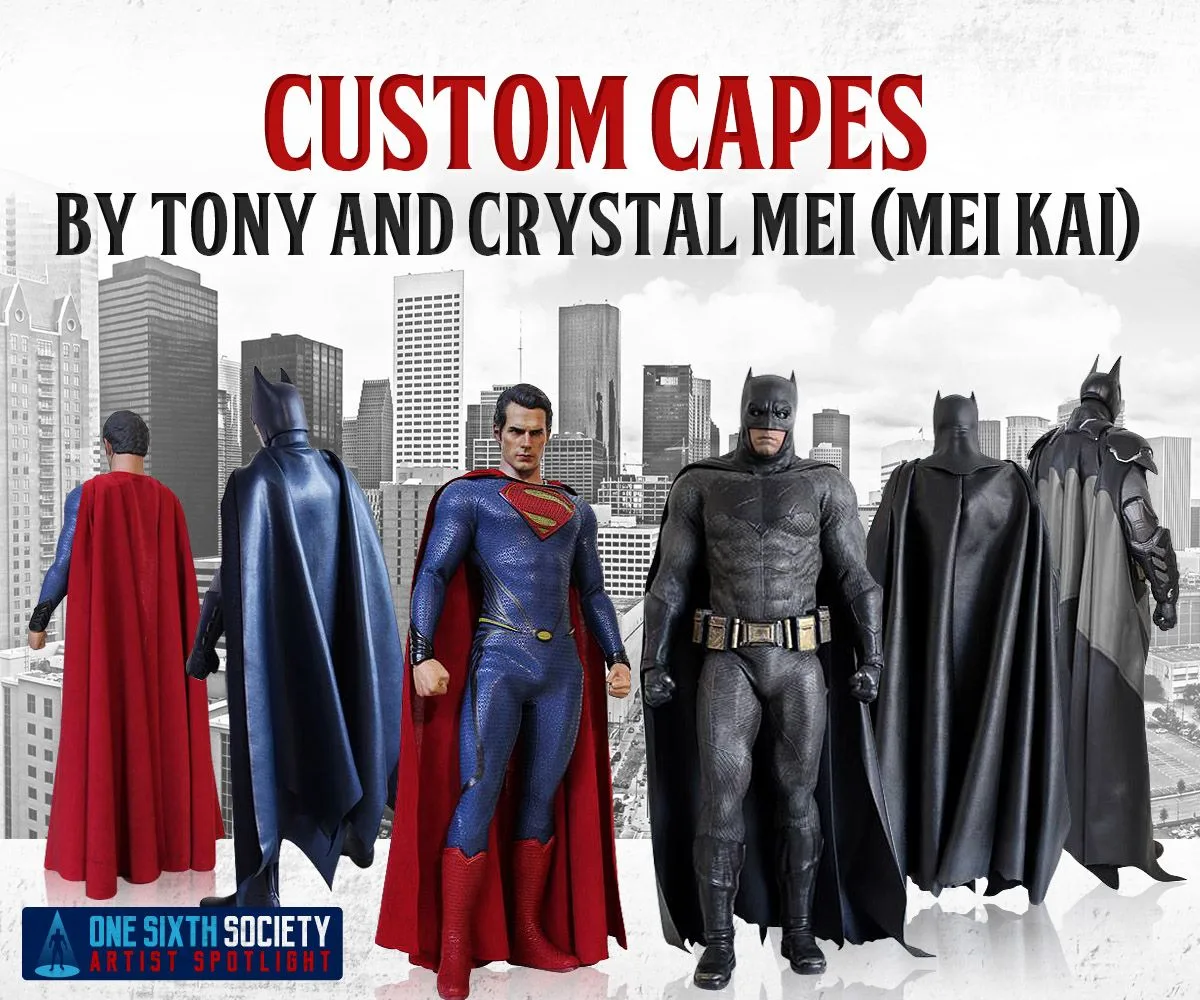
Tony and Crystal Mei’s examples range from Superman’s red cape to Batman’s darker cape designs. The lengths, lining and folds change how each costume looks on the figure.
Jon Deak singled out the Mei Kai cape used on his own Hot Toys DX09 Batman. When comparing examples, look for the exact figure and costume you own rather than assuming one Batman pattern fits every release.
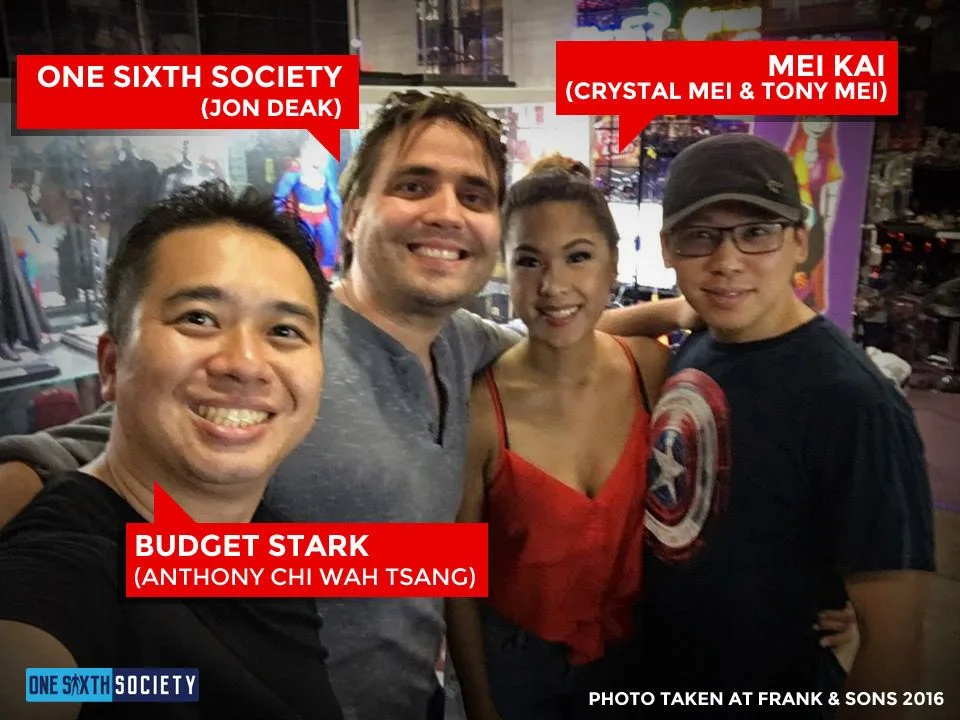
Budget Stark, Jon Deak, Crystal Mei and Tony Mei appear together in the Frank & Son photograph above.
Lucky Tjandra: expressive cape shapes at Unreal Customs
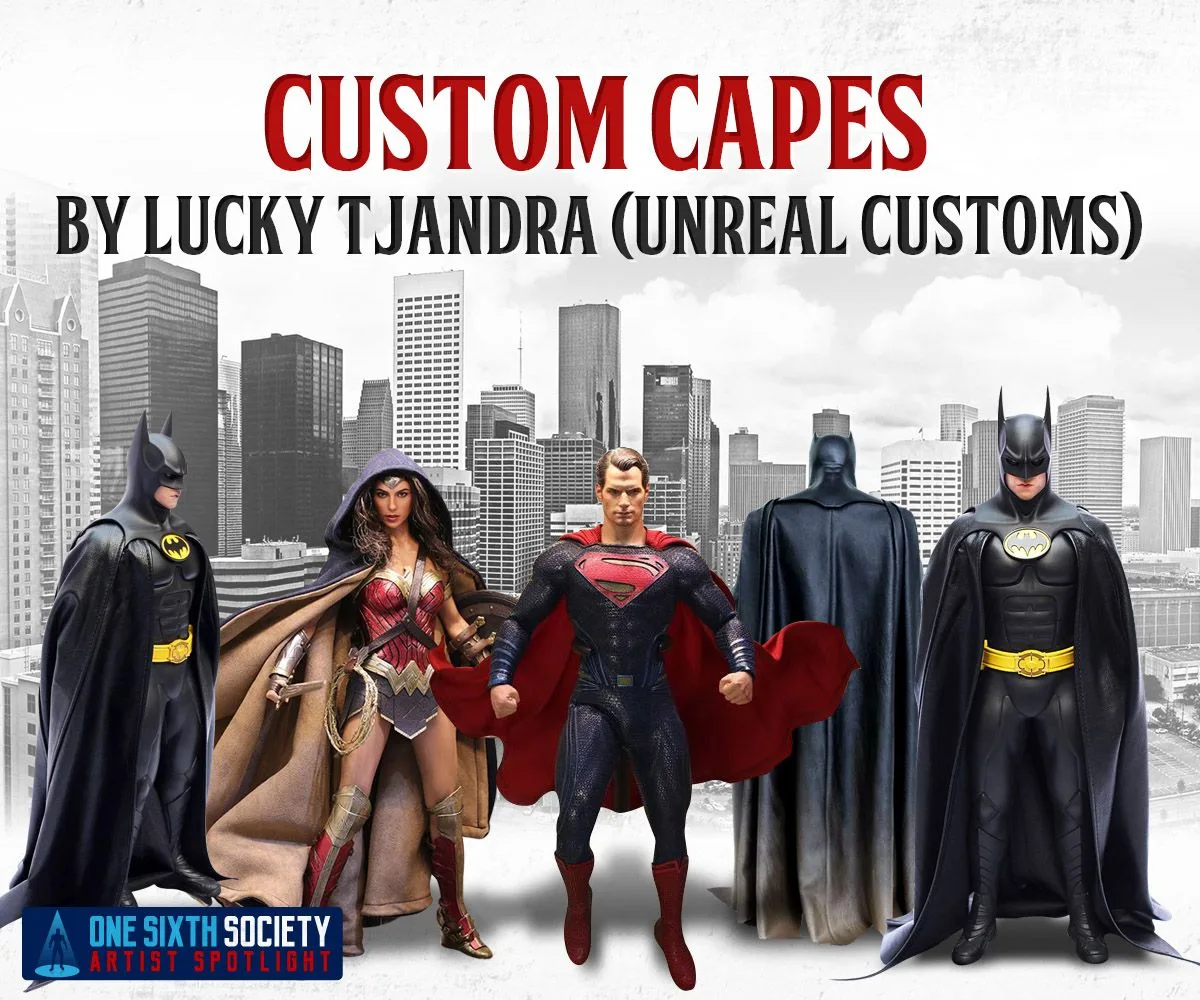
Lucky Tjandra’s Unreal Customs work includes Batman, Superman and Wonder Woman. His wired capes can hold a spread or a curved edge, giving collectors another way to show movement in a pose.
A wired cape can hold a shaped edge for photography, while an unwired cape relies more on the weight and cut of the fabric. Neither approach is automatically better. Decide whether you want a relaxed shelf pose, a dramatic spread or the flexibility to switch between them.
What to compare before choosing a cape
- Exact figure compatibility: identify the manufacturer, product code and costume version. Neck openings, shoulder armor and attachment points vary.
- Fabric and drape: compare how the material hangs in an ordinary pose, including the thickness of hems and any visible lining.
- Length and shape: check how the cape meets the base and how much space a spread pose needs inside the display.
- Wire placement: ask whether the edges or internal sections are wired and how the maker recommends shaping them.
- Installation: establish whether replacement requires removing a head, cowl or costume part. Do not force a component that was not designed to come apart.
- Finish and care: ask about the fabric’s care requirements and any precautions for contact with painted or light-colored surfaces.
Check availability directly
The original spotlight is a record of these artists’ work, not a current stock list or promise that either maker accepts commissions. Older forum posts, photographs and price lists can remain online after a run ends. Confirm the maker’s current account, exact item, terms and expected timing before committing to an order.
Choose an upgrade because it solves a specific issue with your figure or achieves a pose you want. Keeping the original cape and any removed parts also preserves the option to return to the stock configuration.
For more examples of individual craftsmanship, read our custom sixth scale artists guide and sculpted versus rooted hair comparison. The Hot Toys page brings related figures, reviews and videos together.
If you are assembling a complete figure rather than replacing only a cape, start with our kitbashing parts and assembly guide.