Originally published May 10, 2017. Updated September 2026 with later auction results. The original G.I. Joe photographs are retained.
Original article by Hunter McGarry.
The most valuable action figures include rare prototypes with documented auction results. One example has sold for over $1 million: A 1979 Kenner rocket-firing Boba Fett sold at Goldin for $1,342,000, including buyer’s premium, on August 18, 2024. Guinness World Records lists it as the most expensive Star Wars action figure sold at auction.
These three reported sales concern specific prototypes, not ordinary shop-bought figures. The date, condition and fees matter when comparing the totals.
Auction Results at a Glance
| Collectible | Reported Sale | What the Result Describes |
|---|---|---|
| Kenner Rocket-Firing Boba Fett, J-Slot Prototype | $1,342,000 at Goldin, August 18, 2024 | Includes buyer’s premium; a specific preproduction example. |
| Kenner Rocket-Firing Boba Fett, Heritage Example | $525,000 at Heritage, May 31, 2024 | A different prototype sold earlier in the same year. |
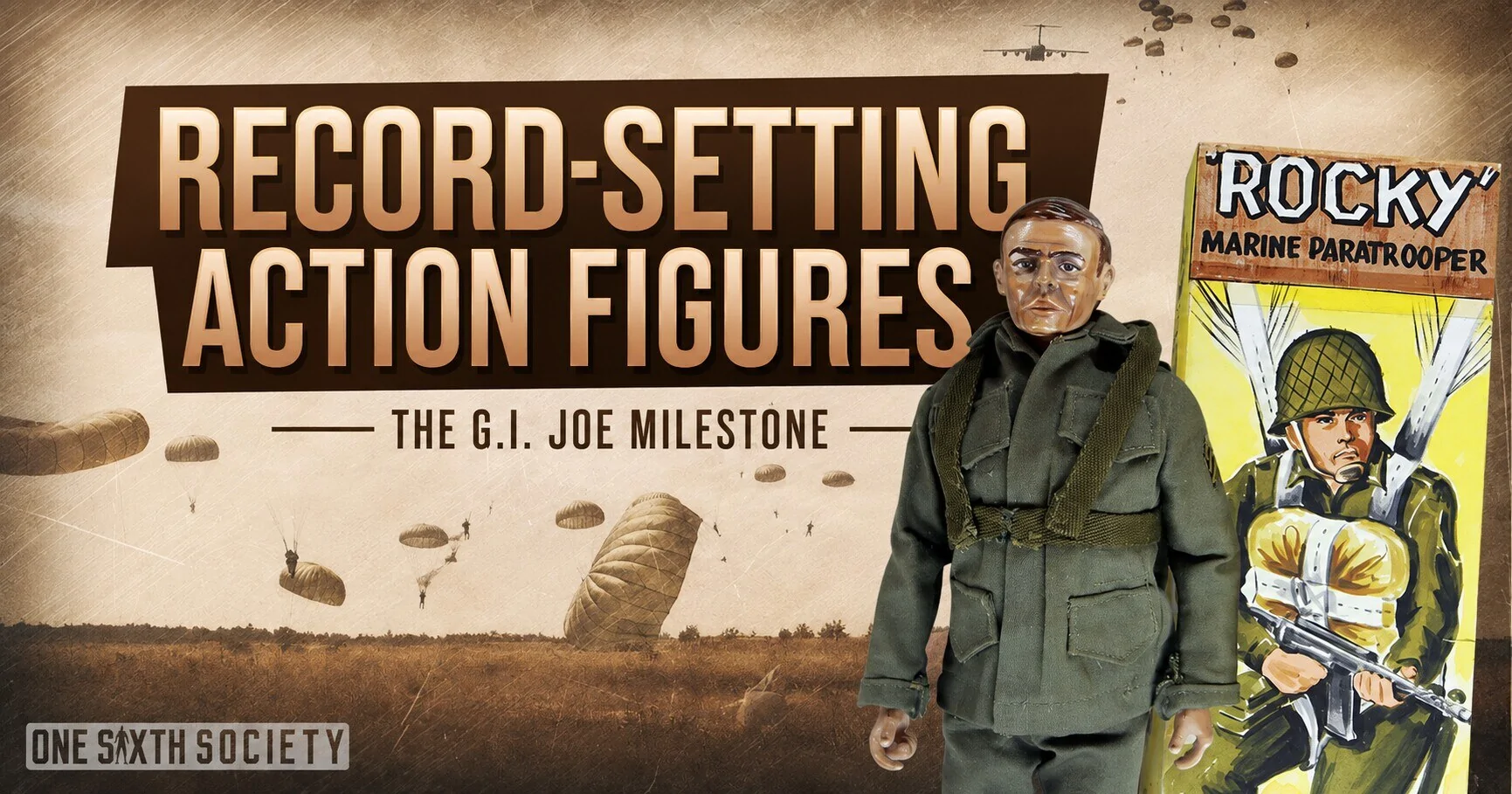
| Original G.I. Joe Prototype | $200,000, reported by Heritage in 2003 | A historically important prototype, rather than a boxed retail G.I. Joe. |
The $1.342 million Boba Fett auction result
This was a Kenner test figure made before the retail release. Its small rocket could fire from the backpack. Goldin identified it as a J-slot prototype. A normal shop-bought Boba Fett is a different item, even if it looks similar in a photograph.
The total includes the buyer’s premium, a fee added by the auction house. Check whether fees are included before comparing two sale prices.
The earlier $525,000 Boba Fett sale
Another rocket-firing prototype sold through Heritage on May 31, 2024 for $525,000. Guinness World Records’ report described that result as a Star Wars action-figure record at the time. The later Goldin sale explains why an older page or headline can give a lower figure without describing the latest verified result.
Rocket-firing prototypes also differ from one another. Check the version, wear, missing parts and ownership records for the exact figure that sold.
Why the G.I. Joe prototype still matters
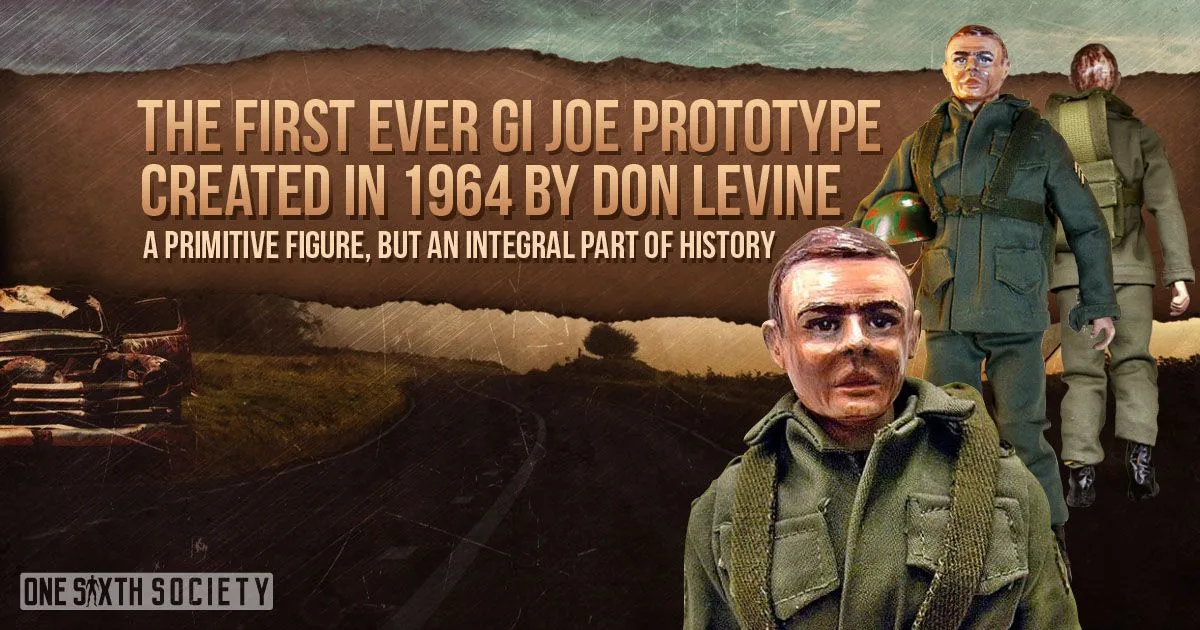
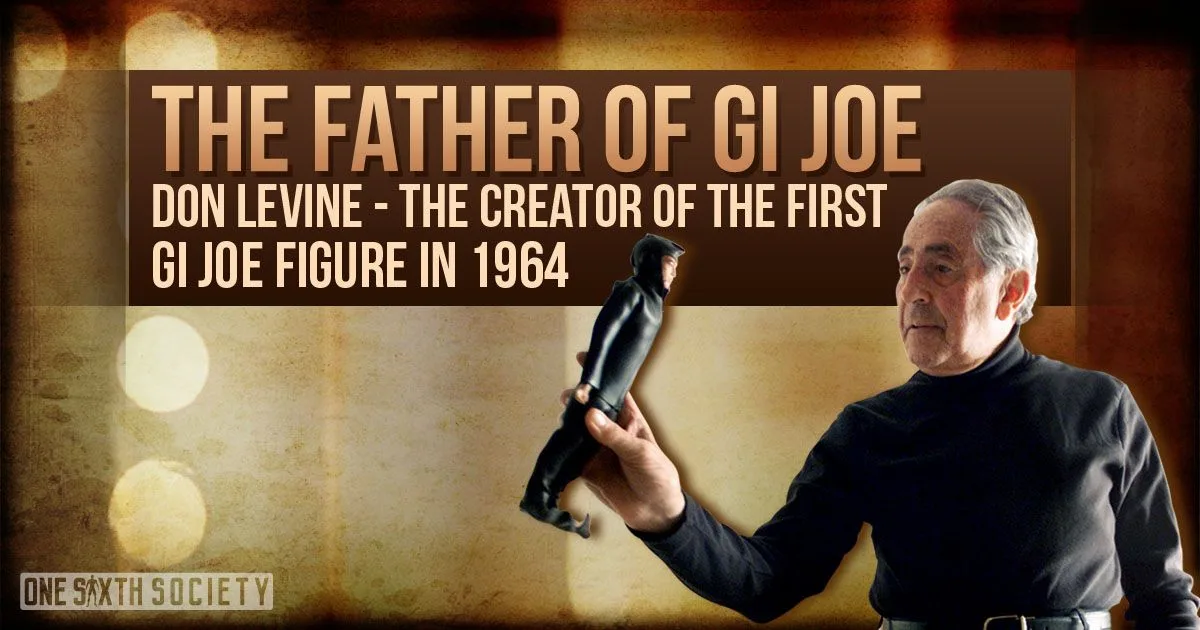
The handmade G.I. Joe prototype helped shape the twelve-inch figure. Its cloth uniform, small gear and moving joints will look familiar to sixth scale collectors. Its place in toy history is part of the story behind the sale.
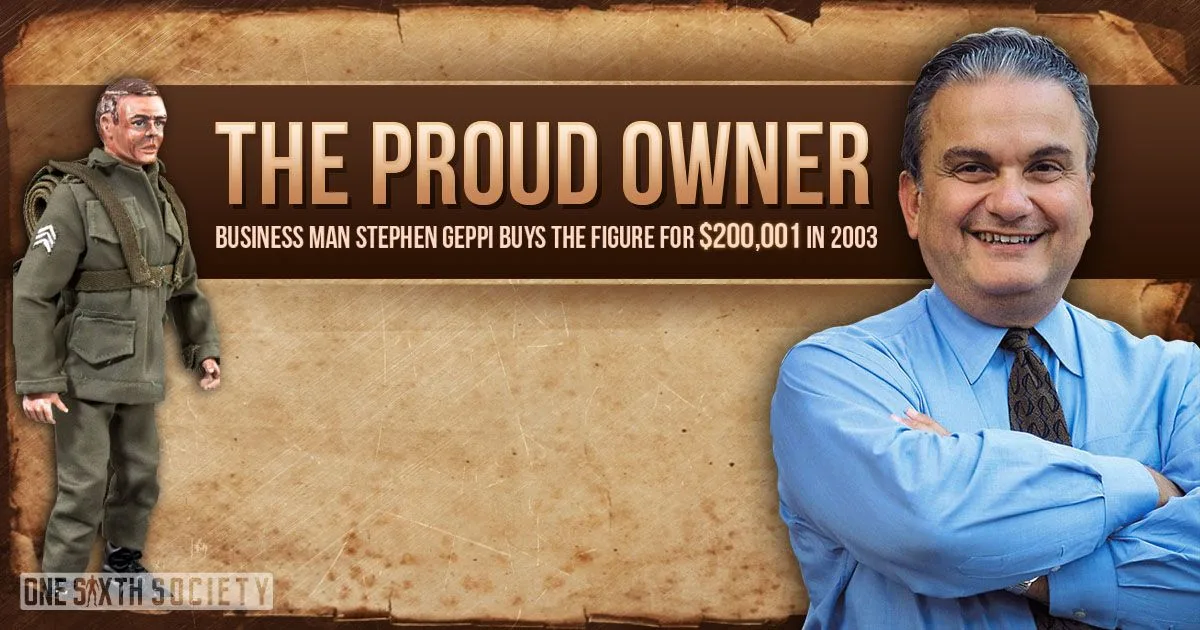
Guinness World Records records the $200,000 sale to Stephen A. Geppi in August 2003. Contemporary Associated Press reporting describes it as a private sale after the figure failed to sell at auction. Heritage’s later auction catalogue cites the 2003 result as $200,001. The reported totals differ slightly, but both place the sale at approximately $200,000.
The later catalogue records a 2013 offering as not sold. An auction estimate or an unsuccessful offering does not establish a new sale price.
How to compare a figure from your own collection
A record sale is interesting, but it is rarely a useful price guide for a shelf full of retail figures. Build a comparison around the item you actually own:
- Identify the release. Note the maker, product code, size and edition. Match the markings and packaging. Do not rely on the character’s name alone.
- Check what is present. List the hands, weapons, stands and small parts. Note any replacements. A complete boxed example is not the same listing as a loose figure with missing gear.
- Describe the condition. Look for cracks, loose joints, fading, stains and repairs. Include damage to the box. Clear close-up photos are more useful than a claim that an item is “rare.”
- Find completed sales. Compare the same version in similar condition. Save the sale date and check whether the price includes fees or shipping. An unsold listing shows what a seller wants, not what the market paid.
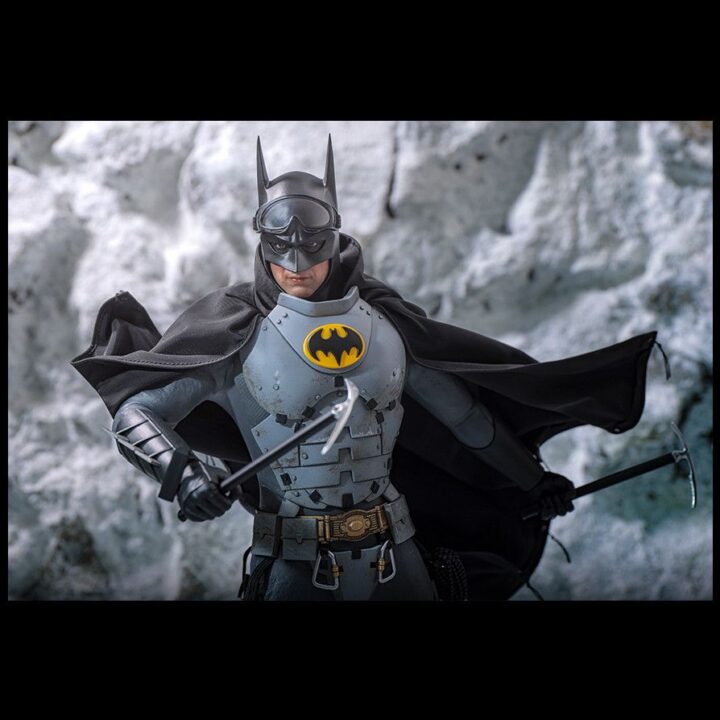
For Marvel and DC figures, separate the character from the release. Two Iron Man figures can have different scales, suits and accessories. Two Batman figures may come from different films or product lines. Neither pair is a sound price comparison until those details match.
What proves a prototype’s history?
Provenance means the record of where an object came from and who owned it. For a claimed prototype, read the auction description for named sources, development records and any supporting paperwork. A story passed between sellers is harder to check.
Keep the distinction between a test piece, a retail release and a later custom figure clear. Paint changes or missing markings alone do not prove that an item came from a toy factory’s development team. If the evidence is unclear, leave the claim unconfirmed.
How to read a record-price claim
Start with the auction result or the record keeper’s entry. Check the date, exact figure, currency and fees. Read the record’s category too. A record for Star Wars figures or toy soldiers does not cover every toy.
These exceptional prototypes illustrate the importance of provenance and historical context. They do not establish the value of a regular production figure. For another look at scarcity within modern collecting, explore our guide to rare Hot Toys figures.